DrivePro Auto
When driving, safety is paramount. One often overlooked aspect is the condition of your aluminum wheels. These components are crucial for vehicle stability and safety. However, they can develop cracks, leading to potential failures. This brings us to the question: How to identify cracked aluminum wheels before they fail? Recognizing these issues early can save you from dangerous situations.
Monitoring your wheels regularly is essential. Look for visible signs of wear and tear. Pay attention to unusual vibrations or noises while driving. These might be warnings of underlying problems. Inspect the wheel surface closely for any visible cracks or deformities. Even minor imperfections can lead to bigger issues.
Using proper tools and techniques enhances the detection process. Many vehicle owners lack knowledge about wheel maintenance. This can lead to missed signs of damage. Make it a habit to check your wheels during routine maintenance. Remember, prioritizing this task can protect both your vehicle and your safety on the road.
Aluminum wheels are lightweight and popular, but they can crack. Identifying damage early is crucial. A study by the National Highway Traffic Safety Administration shows that cracks often develop due to stress and impact. Regular inspections can help you spot these issues.
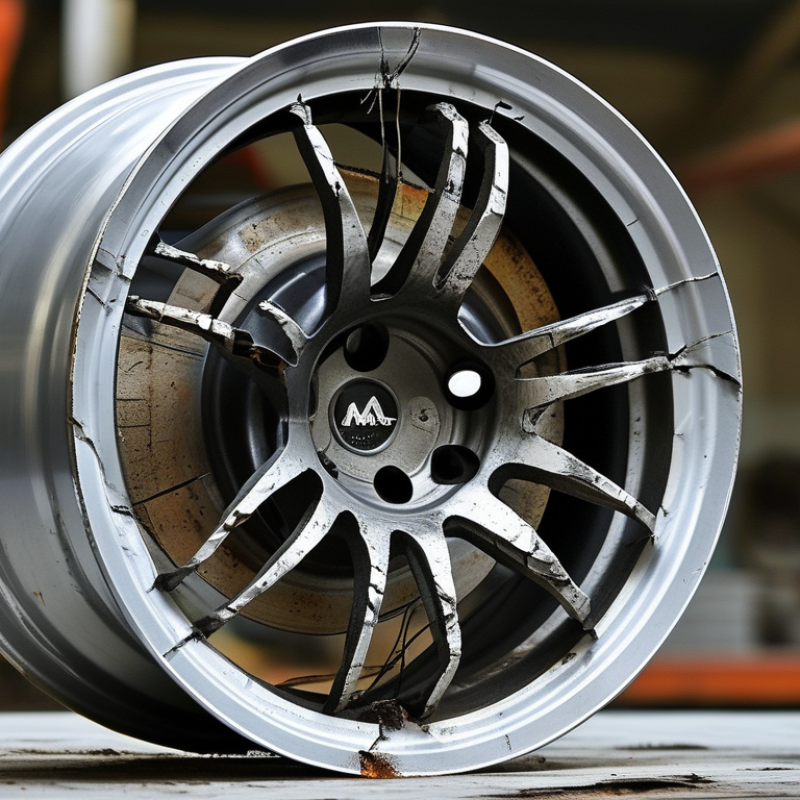
Look for visible cracks on the wheel's outer rim. These can appear as hairline fractures. Pay attention to any signs of deformation or bending. A recent report found that even minor dents can lead to significant structural weakness. When inspecting, also check the valve stem area. Damage here can result in air leaks, increasing the risk of tire failure.
Listen for unusual sounds while driving. If you hear a thumping noise, it may indicate wheel damage. The Tire Industry Association suggests monitoring vibrations; they can signal issues with wheel integrity. It's important to act on these signs. Cracked wheels can lead to serious safety hazards.
Cracks in aluminum wheels can lead to serious safety issues. Various factors contribute to the formation of these cracks. One key cause is fatigue, often resulting from repeated stress. Studies indicate that aluminum wheels experience significant stress during driving, especially on rough roads. This fatigue can gradually weaken the alloy structure.
Another common factor is improper tire pressure. A report by the Tire Industry Association shows that 25% of drivers do not regularly check their tire pressure. Under-inflated tires cause additional strain on wheels, making them more susceptible to cracks. Also, overloading the vehicle can exacerbate this issue, leading to premature failure.
Environmental factors also play a role. Exposure to salt, dirt, and extreme temperatures can corrode aluminum wheels over time. The National Highway Traffic Safety Administration highlights that corrosion can weaken wheel integrity. Regular inspections are crucial in identifying early signs of damage. Look for visible cracks, bends, or spots of corrosion. These indicators not only require immediate attention but also demand acknowledgment of maintenance habits, which, surprisingly, often get overlooked.
Visual inspection is crucial for detecting cracks in aluminum wheels. Regular checks can prevent unexpected failures. Studies indicate that approximately
25% of wheel failures stem from undetected cracks. These cracks often originate from stress, corrosion, or impact damage.
Start by examining the wheel's surface. Look for visible signs of wear or changes in color. A systematic process works best. Inspect the wheel at varying angles to catch reflections that may highlight hairline cracks. Using a flashlight helps reveal imperfections that aren't easily seen. Pay special attention to areas around the lug holes and the inner side of the wheel. These points often exhibit the most stress.
Next, consider using a dye penetrant test method. This technique can uncover hidden cracks. It is commonly used in the industry, enhancing the detection rate significantly. However, it requires expertise. Many enthusiasts might skip this step due to complexity or lack of proper training. It's important to acknowledge that not all cracks are visible. Regular maintenance checks may sometimes overlook subtle signs. Therefore, seeking
professional advice can help improve safety and reliability.
Detecting cracks in aluminum wheels is crucial for safety. Professional equipment plays a vital role in assessing wheel integrity. These tools include ultrasonic testers, magnetic particle inspection devices, and dye penetrant testing kits. Each tool offers unique benefits for identifying hidden defects.
Ultrasonic testing uses sound waves to penetrate the metal. It can reveal cracks that are not visible to the naked eye. Magnetic particle inspection highlights surface-breaking flaws. A magnetic field is applied to the wheel, which attracts particles to any cracks. Dye penetrant testing involves applying a dye to the wheel surface, helping to expose surface cracks after a developer is applied.
While these methods are effective, they don't guarantee 100% accuracy. Factors like operator experience and equipment calibration impact results. Regular training for technicians is essential. Even with the best tools, some flaws may go undetected. Thus, routine checks and maintenance are vital for vehicle safety. Proper handling of equipment adds to reliability. Each testing method has its own limitations. Reflecting on these aspects ensures a more comprehensive approach to aluminum wheel safety.
| Inspection Method | Equipment Used | Detection Rate (%) | Comments |
|---|---|---|---|
| Visual Inspection | None | 60 | Simple and fast but may miss small cracks. |
| Ultrasonic Testing | Ultrasonic Flaw Detector | 90 | Highly effective for internal defects. |
| Magnetic Particle Inspection | Portable Magnetic Particle Kit | 85 | Good for surface cracks but requires magnetization. |
| X-ray Inspection | X-ray Machine | 95 | Excellent for detecting all types of cracks. |
| Eddy Current Testing | Eddy Current Tester | 80 | Effective for surface and near-surface defects. |
Proper maintenance of aluminum wheels is crucial to prevent cracking issues. Regular inspections are key. Look for any visible signs of wear or damage. Tiny cracks may be difficult to spot, but they can grow over time. Pay attention to areas around the spokes and the rim edges. These are common stress points. If you notice any inconsistencies, it's time to consult a professional.
Cleaning aluminum wheels regularly is also important. Use a gentle cleanser to avoid damaging the finish. Inspecting for corrosion is vital. Corrosion can lead to structural problems. Ensure that you also check the tire pressure frequently. Overinflated or underinflated tires exert undue stress on wheels. This can make even a strong wheel more susceptible to cracks.
Lastly, consider the driving conditions. Rough terrain can take a toll on aluminum wheels. After a long drive, check for any deformities. Maintaining the alignment and balance of your tires can also make a difference. Reflect on your driving habits; aggressive driving can aggravate wear. The better care you give your wheels, the longer they will last.
: Look for visible cracks on the outer rim. Check for deformations or bending.
Examine the wheel's surface, color changes, and areas around the lug holes.
Yes, the inner side of the wheel and around the lug holes often show the most stress.
A dye penetrant test is effective, but it requires some expertise to perform.
Regular inspections are important. They can prevent unexpected failures.
A thumping noise while driving may suggest wheel damage.
Yes, even minor dents can lead to significant structural weaknesses.
It's crucial to act promptly. Seek professional advice to improve safety.
Not always. Some cracks are subtle and may require professional tools to identify.
Regular checks help uncover subtle signs that could lead to safety hazards later.
In the quest to understand "How to identify cracked aluminum wheels before they fail?", it is essential to recognize the signs of damage that can appear on these wheels. Common indicators include visual imperfections like deep scratches, discoloration, or evident fractures around the rim area. Understanding the typical causes of cracks, such as stress from heavy loads, impact from potholes, or corrosion, is crucial for early detection.
Conducting regular visual inspections and employing professional equipment, such as ultrasonic testers, can significantly aid in assessing wheel integrity. Maintaining aluminum wheels through proper care and regular checks not only extends their lifespan but also helps in preventing cracking issues. Taking these proactive steps is vital for ensuring the safety and efficiency of your vehicle on the road.